
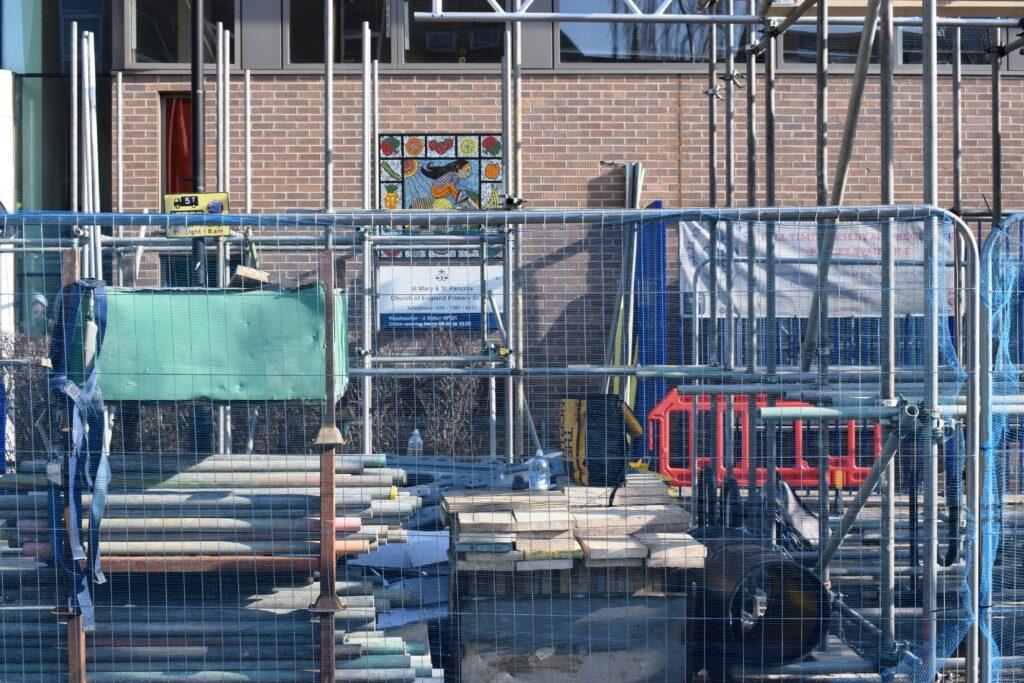
 Government Says RAAC will be Eradicated by 2029
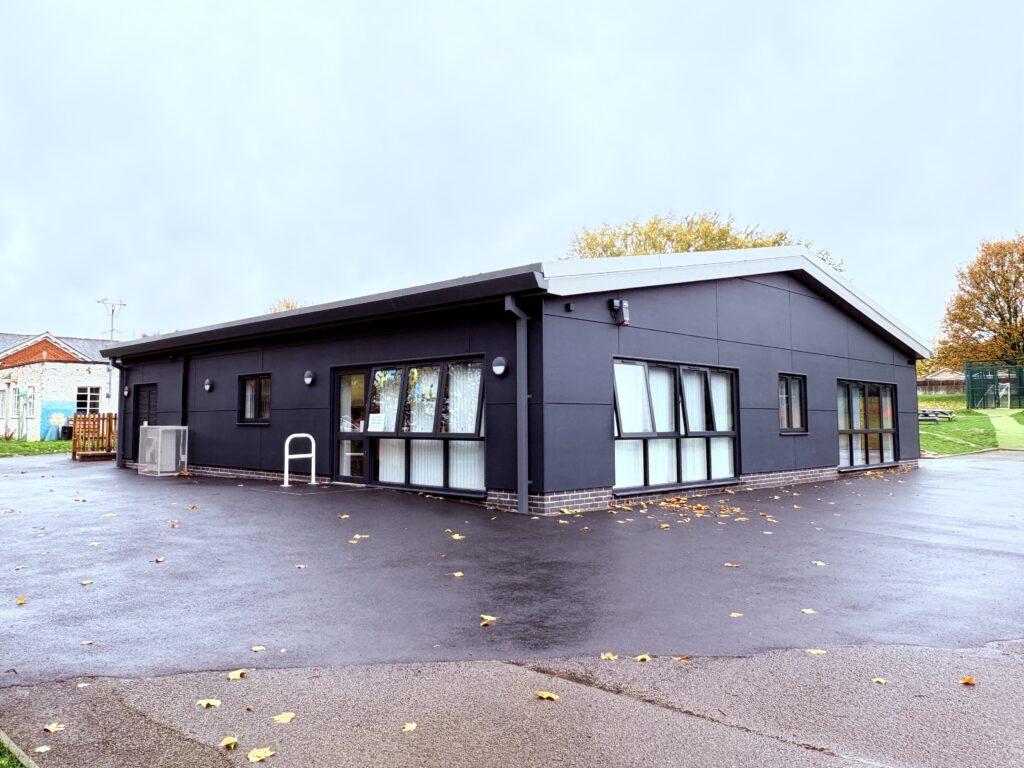 Replacement of HORSA building at primary school
Winter presents a significant challenge for school buildings across the United Kingdom. With energy costs rising and budgets stretched, maintaining a comfortable learning environment whilst managing heating expenses has never been more important.
Our guide provides practical advice on keeping your educational buildings warm throughout winter, so whether you manage a single school or oversee multiple sites within a multi-academy trust, these strategies will help you balance comfort with cost-effectiveness.
Why is maintaining school temperature important?
A warm school is essential for effective learning and teaching, and the National Education Union (NEU) maintains the position that classrooms should be at least 18°C. Any temperature below this can negatively impact student concentration and performance while also increasing absenteeism, as staff and students become more susceptible to seasonal illnesses.
Beyond health and wellbeing, maintaining appropriate temperatures is a legal requirement. The Workplace (Health, Safety and Welfare) Regulations 1992 stipulate that minimum temperature standards for workplaces are typically 13°C for areas with physical activity and 16°C for sedentary spaces like classrooms.
Understanding your school heating systems
Before implementing winter heating strategies, you must understand how your current heating system operates. Most schools use one of the following:
- Gas boilers – The most common system in UK schools, providing central heating and hot water
- Oil boilers – Often found in rural schools without mains gas access
- Electric heating – Including storage heaters or electric radiators, typically more expensive to run
- Heat pumps – An increasingly popular option offering energy efficiency and lower running costs
Each system has different maintenance requirements and efficiency levels. If you are unsure about your heating infrastructure, we recommend arranging a building survey to assess your current setup and identify potential improvements.
Essential heating maintenance before winter
Preventative maintenance is crucial for avoiding costly breakdowns during the coldest months. Your site team should complete the following checks before winter arrives:
- Service boilers annually – Have a qualified engineer inspect and service your heating system before the heating season begins
- Bleed radiators – Remove trapped air to ensure radiators heat evenly and efficiently
- Check thermostats – Verify that temperature controls are working accurately and are positioned away from heat sources or draughts
- Inspect pipework – Look for leaks, corrosion or signs of wear that could cause failures
- Test heating controls – Ensure timers and programmers are set correctly for term-time schedules
Regular maintenance not only prevents emergency repairs but also improves efficiency, potentially reducing your energy bills significantly.
Practical strategies for keeping schools warm in winter
Optimise heating schedules
Programme your heating system to match your school’s occupancy patterns. Heat buildings an hour before arrival to reach comfortable temperatures, but reduce heating during unoccupied periods like evenings, weekends and holidays.
Address draughts and air leaks
Cold draughts can reduce heating effectiveness, so identify and seal gaps around windows, doors and pipework. Draught excluders on external doors and windows can make a noticeable difference without major investment.
Improve insulation
Effective insulation retains heat and reduces energy consumption. Priority areas include:
- Loft and roof spaces
- External walls, particularly in older buildings
- Pipework in unheated areas
- Windows (consider secondary glazing if replacement is not feasible)
Maintain appropriate ventilation
Whilst keeping warm is important, adequate ventilation remains essential for air quality and preventing damp and mould. Balance heating with fresh air by opening windows briefly rather than leaving them open continuously, and ensure mechanical ventilation systems are functioning properly.
Energy-efficient heating solutions for schools
If your heating system is outdated or inefficient, upgrading can deliver long-term savings and improved comfort. Modern heating solutions worth considering include:
- Condensing boilers – Up to 30% more efficient than older models
- Building management systems – Smart controls that optimise heating based on occupancy and weather
- Heat pumps – Renewable heating technology with lower running costs
- Improved insulation – Often the most cost-effective upgrade available
We can help you assess whether retrofitting your buildings with energy-efficient heating systems is right for your school.
How can I fund heating improvements?
Several funding schemes are available to help schools improve their heating infrastructure, including:
- School Condition Allocation (SCA) – For maintained schools
- Condition Improvement Fund (CIF) – For academies and sixth-form colleges
- Urgent Capital Support (UCS) – For emergency heating failures
Our team can assist with funding applications to help secure the capital needed for essential heating upgrades.
Speak to Eddisons Education about your school heating needs
Whether you need assistance maintaining your current heating system, advice on energy-efficient upgrades, or help securing funding for improvements, we are here to support you. Our 180 years of experience and proven track record in the education sector mean you can trust us to keep your buildings warm and comfortable throughout winter.
Call 0808 253 1307 or complete the form below to discuss your heating requirements with our team.