
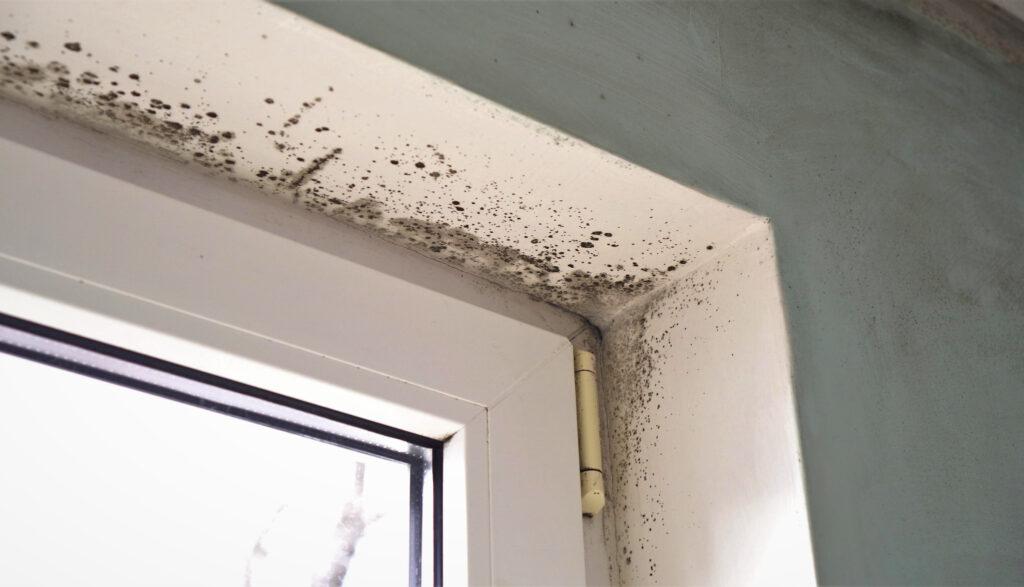
 How to prevent damp and mould in school buildings
 Back to School Estate and Property Guide
As an estates manager, you’re responsible for some of the most valuable assets your school holds: its buildings, grounds, and facilities. These assets are not only costly to maintain but are also central to delivering a safe, inspiring environment for students and staff. That’s where internal scrutiny comes in.
Internal scrutiny is the process of providing independent assurance that your organisation’s controls, risk management, and compliance processes are working effectively. In the education sector, particularly for independent schools and academy trusts, it plays a vital role in supporting governors and trustees to make informed decisions, protect resources, and meet regulatory obligations.
Why internal scrutiny matters for estates
Although internal scrutiny often focuses on finance, estates are increasingly under the spotlight. From health and safety compliance to cyber resilience in building management systems, the risks are real and wide-ranging. A robust programme of scrutiny helps estates managers to:
- Demonstrate compliance with statutory requirements (fire safety, asbestos, water hygiene, accessibility, etc.).
- Provide assurance to governors that estate risks are being actively managed and reported.
- Highlight weaknesses in procurement, project management, or day-to-day operations before they become serious issues.
- Support transparency in how estates budgets are spent and how investment decisions are made.
- Prepare for the future, including compliance with the Academy Trust Handbook 2025 updates on cybersecurity and digital standards.
What does internal scrutiny involve?
Our internal scrutiny programmes are methodical yet tailored to each and every school and Trust. Typically, the stages are as follows:
- Scoping and risk assessment – evaluating your current estate strategy, risk register, and past compliance checks to identify key areas for improvement
- Preliminary surveys and data collation – site inspections, assessing existing documentation, and creating open conversations with estates staff to understand how the estates are maintained and how best practices are applied
- Reporting – providing impartial, data-driven findings and practical recommendations to those who matter – both on the ground and in the boardroom
- Annual reviews – year-end reports consolidating all activity, designed to support governance statements and financial accounts, not to mention decision-making for the next academic year
For estates managers, this process not only gives assurance to trustees but also provides a structured way to prioritise improvements and secure investment in your facilities.
What’s new for internal scrutiny in 2025/26?
The Academy Trust Handbook 2025 introduces new requirements that estates managers need to be aware of:
- Climate action plan – by the end of 2025, schools must have in place a policy that specifies their climate ambassadors
- Cybersecurity – schools must ensure systems that manage estates data (e.g., CAFM platforms, energy monitoring software) are resilient against cyber threats.
Digital standards – by 2030, schools will need to demonstrate progress against six core digital and technology standards. - Executive pay transparency – senior estates leaders may fall under new criteria requiring clarity and transparency in pay policies.
These changes mean that internal scrutiny will increasingly extend beyond traditional financial controls to cover estates management in more depth.
How internal scrutiny benefits estates managers
Far from being a box-ticking exercise, internal scrutiny can be a powerful tool for estates teams:
Strengthens your case for investment in capital projects or compliance improvements.
Reduces the likelihood of unforeseen costs, fines, or reputational damage.
Builds trust with governors, trustees, and regulators.
Provides peace of mind that estates risks are managed professionally.
How can Eddisons help with internal scrutiny?
If your school or Trust has not yet embedded estates into its internal scrutiny programme, now is the time to act. Working with Eddisons, you can ensure your estates are not just compliant, but resilient, efficient, and fit for the future.