
 Owlcotes Multi Academy Trust PSDS Decarbonisation Project
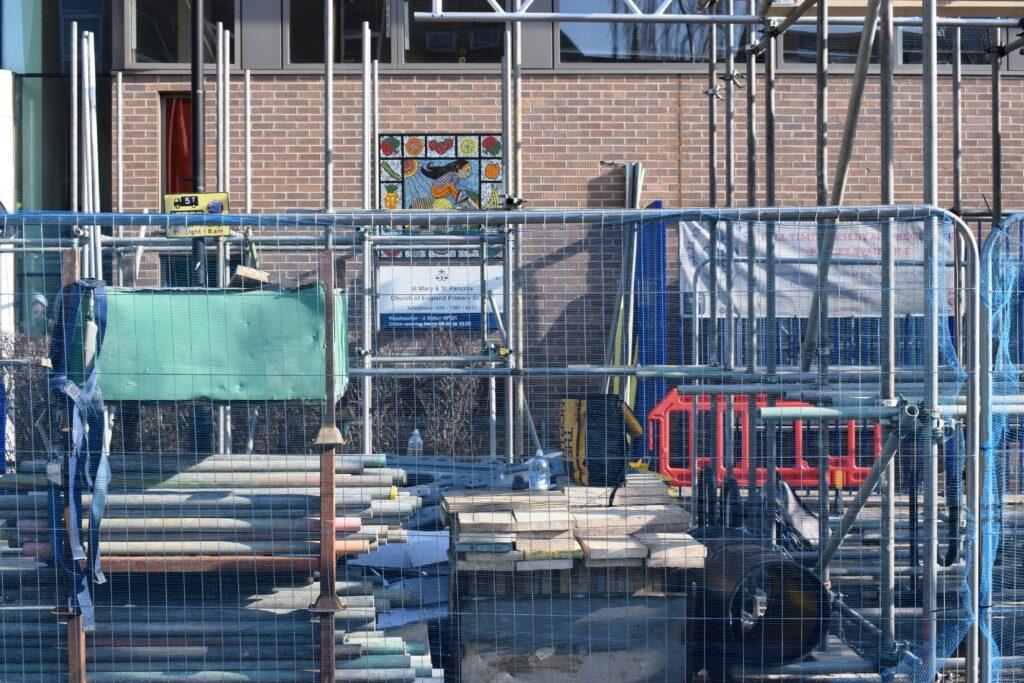 Government Says RAAC will be Eradicated by 2029
The Department for Education (DfE) has announced significant updates for the 2026–27 Condition Improvement Fund (CIF), introducing stricter rules for schools already selected under the School Rebuilding Programme (SRP), as well as encouraging heightened scrutiny for all applications.
CIF only used in exceptional cases for SRP schools
Schools in the SRP pipeline are usually viewed as ineligible for CIF unless they can prove that their buildings pose an immediate risk to occupiers, meaning they cannot function adequately. Even then, bids will be considered on a case-by-case basis.
DfE warns that CIF will not fund works later covered by SRP, and temporary measures may be accepted only where they represent better value for money. Responsible bodies should not assume funding simply because the works are urgent.
Procurement and compliance under the spotlight
All CIF applicants face tighter governance expectations too, with DfE requesting robust evidence of a strong, compliant procedure from a technical adviser.
Evidence such as declared conflicts of interest and impartial surveys will help applications, whereas recycled or generic evidence may lead to disqualification.
More niche criteria are also being added. For instance, professional fees, including bid writing and design, must remain below 10% of project value unless strongly justified.
Cost, certainty and sustainability count for everything
Project costs account for 25% of the overall CIF score, with sub-criteria covering overall cost, cost certainty, funding contribution and environmental sustainability. Bids must include multiple fixed-price tenders and sit within industry benchmarks.
Applicants are encouraged to demonstrate carbon reduction or energy efficiency benefits, such as solar panels, smart controls or heat pumps. Where this isn’t possible, they must explain why.
Implications for schools and Trusts
The message for Trusts and property teams is clear: applications must be sharper, more transparent and data driven. With risks regarding overlap and DfE scrutiny increasing, only bids that show immediate need, strong procurement, and value for money are likely to succeed.